





Pinterest Creator Rewards Ended in 2022. Here's What Actually Pays Now.
Pinterest Creator Rewards ended on November 30, 2022 — yet top search results still describe it as live. How creators actually earn on Pinterest now.
Search "Pinterest Creator Rewards" today and page one still explains how to join a program that closed on November 30, 2022. This guide sets the record straight — what the program was, why it ended, and the four earning routes Pinterest's own creator documentation actually describes in 2026.
If you have read a guide this year telling you how to earn from Pinterest Creator Rewards — hit engagement goals on Idea Pins, get paid by Pinterest — you have read a guide to a program that no longer exists. Pinterest closed Creator Rewards on November 30, 2022. This article exists because the search results never got the memo: several of the pages still ranking for creator-monetization searches describe the dead program in the present tense, eligibility requirements and all.
What follows is the corrected picture, built from Pinterest's own pages — the shutdown notice in its help center, and the "Become a Pinterest creator" documentation that describes how creators earn on the platform today. For the broader methods overview, see our general guide to how to make money on Pinterest; this page is the program-accuracy record.
What Creator Rewards Was — and When It Ended
Creator Rewards launched on October 20, 2021, backed by a $20 million commitment from Pinterest. It was a goal-based program for the Idea Pin era: Pinterest set monthly engagement goals tied to prompts, creators published Idea Pins toward them, and Pinterest paid creators who hit a goal — payments went out via Adyen, typically within about 30 days of a goal period ending.
The eligibility bar, for the record: a business account, age 18+, US-based, at least 1,000 followers, and at least three published Idea Pins. Pinterest also paid a one-time bonus to creators who hit a goal in August, September, or October 2022 — which turned out to be a farewell gesture, because weeks later the company announced the end.
"The Creator Rewards program will end on November 30, 2022. To all the creators who participated, thank you for your partnership." That notice ran on Pinterest's own help page for the program. November 30, 2022 was the final day. There has been no relaunch, no waitlist, and no successor payout program since.
Why Page One Still Describes It as Live
Because old content rarely dies on schedule. Creator Rewards generated a wave of how-to articles and videos in 2021–2022, and many were never updated — some still rank today, walking new creators through eligibility checklists for a program that closed years ago. A smaller set of pages was written or refreshed after the shutdown by authors who copied the outdated sources rather than Pinterest's own help center.
The practical cost is real: creators waste weeks publishing toward "goals" that do not exist, hold off on affiliate setups while waiting for an application page that will never open, and misread Pinterest's actual creator documentation when they finally find it. The check that settles any program claim takes thirty seconds — if Pinterest's own creator pages do not describe it, it is not a current program.
Build the audience the real routes pay for
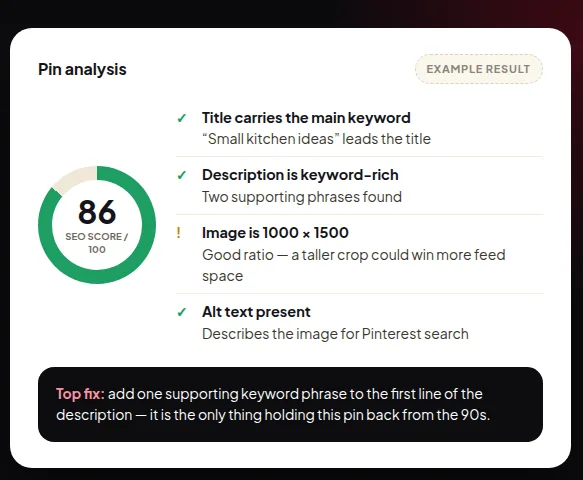
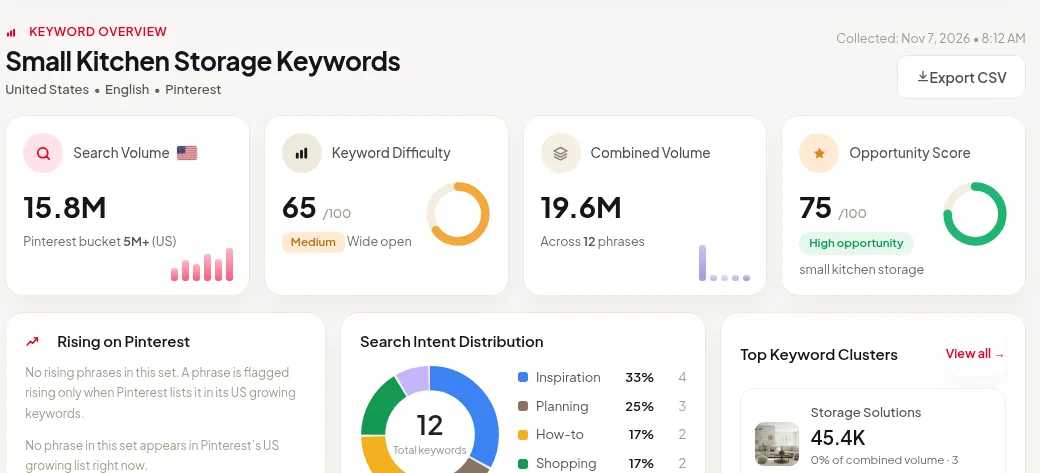
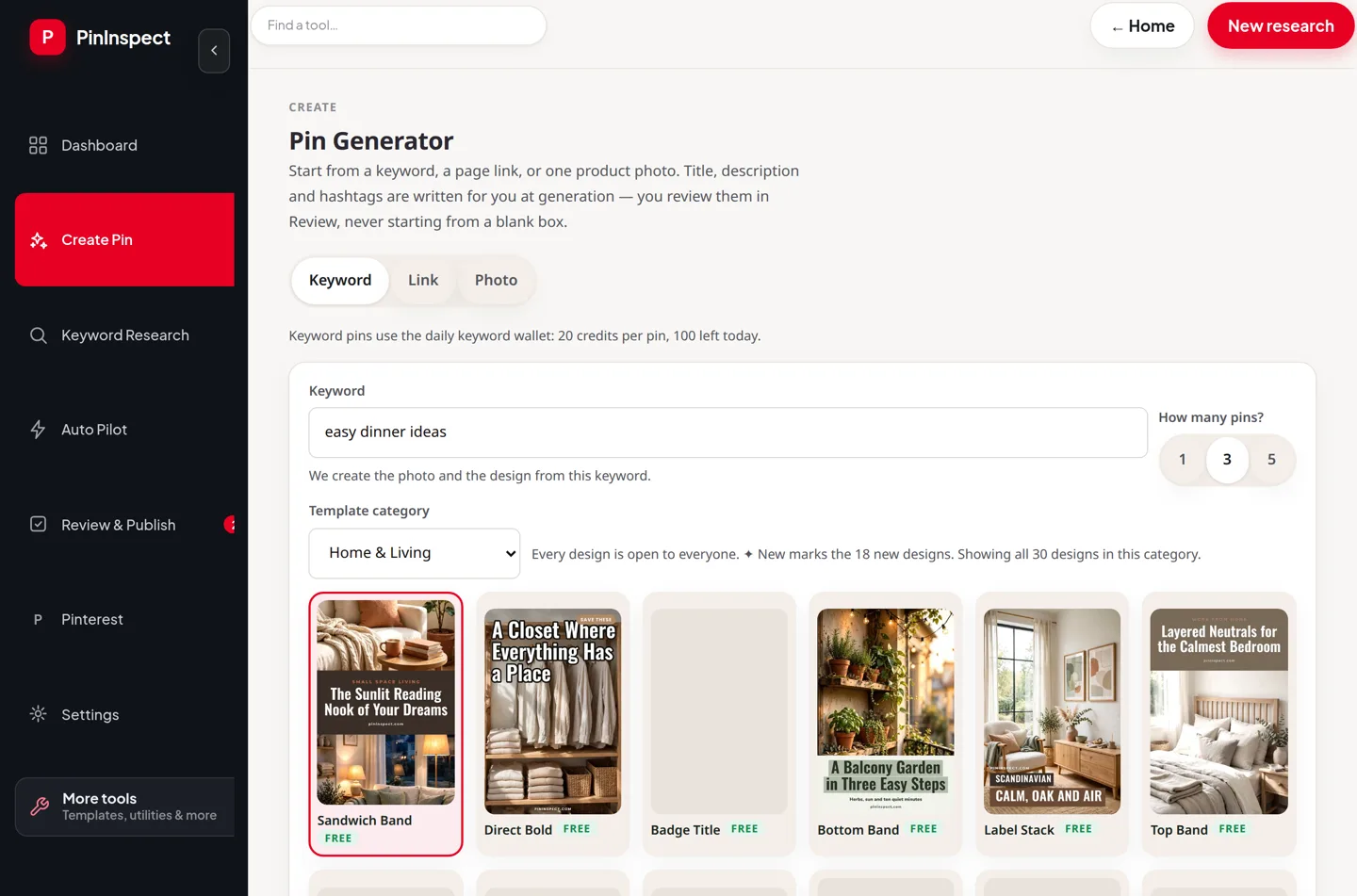
Affiliate tags and brand deals pay in proportion to reach. PinInspect's keyword tool finds the phrases your niche actually searches.
Route 1: Affiliate Product Tags
Pinterest's creator documentation leads with affiliate marketing, because it is the most direct route the platform operates. The mechanics: partner with brands through their affiliate programs, then tag products in your Pins so the Pins become shoppable. When someone buys through your affiliate link, you earn a commission under that program's terms.
- Up to 5 product tags per Pin. That is Pinterest's stated cap — enough for a full outfit, a recipe's key tools, or a room's main pieces.
- Products must comply with Pinterest's Merchant Guidelines, and affiliate activity is also governed by Pinterest's Affiliate Guidelines — disclosure is part of the deal, not an optional extra.
- One trade-off to know: Pins containing affiliate links are not eligible for promotion as ads. Affiliate pins earn organically or not at all.
Affiliate income is therefore a content game: the pins that earn are the ones ranking for buying-intent searches with the right products tagged. It rewards exactly the keyword-and-board discipline covered in our keyword research guide.
Route 2: Paid Partnerships With Brands
For brand deals, Pinterest provides the label, not the money. The paid-partnership tool lets you tag the brand partner in your Pin; once the brand approves, the paid-partnership label appears with the brand's name attached. Pinterest's own instruction to creators is unambiguous: "you'll need to set up payment terms directly with the brand." Fees, deliverables, and payment timing are your negotiation.
- The brand can amplify the deal: a brand partner may promote your partnership Pin as an Idea ad with the paid-partnership label.
- You cannot promote it yourself: creators cannot run partnership Pins as ads — promotion sits with the brand.
- The label is the trust asset: a properly labeled partnership Pin is also a public portfolio piece — other brands find creators by watching who already carries labels in their niche.
Route 3: Amazon Storefront Links
Creators in the Amazon Influencer Program can connect an Amazon Storefront to Pinterest. Pinterest's creator pages describe the arrangement simply: link your Storefront, and affiliate links are applied automatically to tagged Amazon products, with the affiliate disclosure applied automatically as well. It removes the two frictions that make Amazon affiliate work tedious elsewhere — manual link pasting per product and manual disclosure per post — and it is the closest thing to a "native" affiliate integration Pinterest offers.
Eligibility lives on Amazon's side (you must qualify for and join the Amazon Influencer Program), and commissions are Amazon's affiliate terms. Pinterest's role is the pipe: Storefront in, tagged products out.
Route 4: Traffic to Your Own Offers
The oldest route is still the largest for most established creators: outbound clicks. A business account's Pins carry destination links, and Pinterest Analytics reports the visits those links generate. What the traffic earns depends entirely on what it lands on — your product, your service, your course, your ad-supported content. Pinterest's creator documentation frames this plainly: the platform is a discovery engine, and creators who treat it as the top of their own funnel keep both the customer relationship and the margin.
This route is also why the shutdown of Creator Rewards changed less than the outcry suggested. Creators who were building on their own offers kept their income; the program's payouts were a bonus on top of traffic, not the foundation. The lesson generalizes: on any platform, owned offers outlast rented programs — programs end on thirty days' notice, as this one did.
Pinterest's Creator Inclusion Fund is real, but it is a limited-cohort grants program aimed at underrepresented creators — application-based, small, and periodic. It belongs in the "apply if you qualify" column, not in an income plan. Listing it alongside affiliate and partnership routes, as some guides do, overstates what it is.
Choosing Your Mix
| Route | Who pays you | What it needs from you |
|---|---|---|
| Affiliate product tags | The brand's affiliate program | Shoppable content ranking for buying-intent searches; up to 5 tags per Pin |
| Paid partnerships | The brand, directly | An audience a brand wants, a labeled Pin, and your own negotiated terms |
| Amazon Storefront | Amazon's affiliate program | Influencer Program eligibility + a linked Storefront; links/disclosure applied automatically |
| Your own offers | Your customers | A destination worth clicking to, and pins that send outbound traffic consistently |
| Creator Rewards | Nobody — ended Nov 30, 2022 | — |
Most working creators stack two or three: affiliate tags on product-led pins, an own-offer link strategy underneath everything, and partnerships once the audience is large enough to interest a brand. What none of them stack is a payout program that closed in 2022.
Verify every monetization claim at the source. If a blog, video, or course describes a Pinterest program, find it described the same way on Pinterest's own creator or help pages before you spend an hour on it. That one habit would have saved every creator who chased Creator Rewards after 2022.
Frequently Asked Questions
Earn From What Pinterest Actually Offers
Tag the products, land the partnerships, link your own offers — and let the dead program rest.